


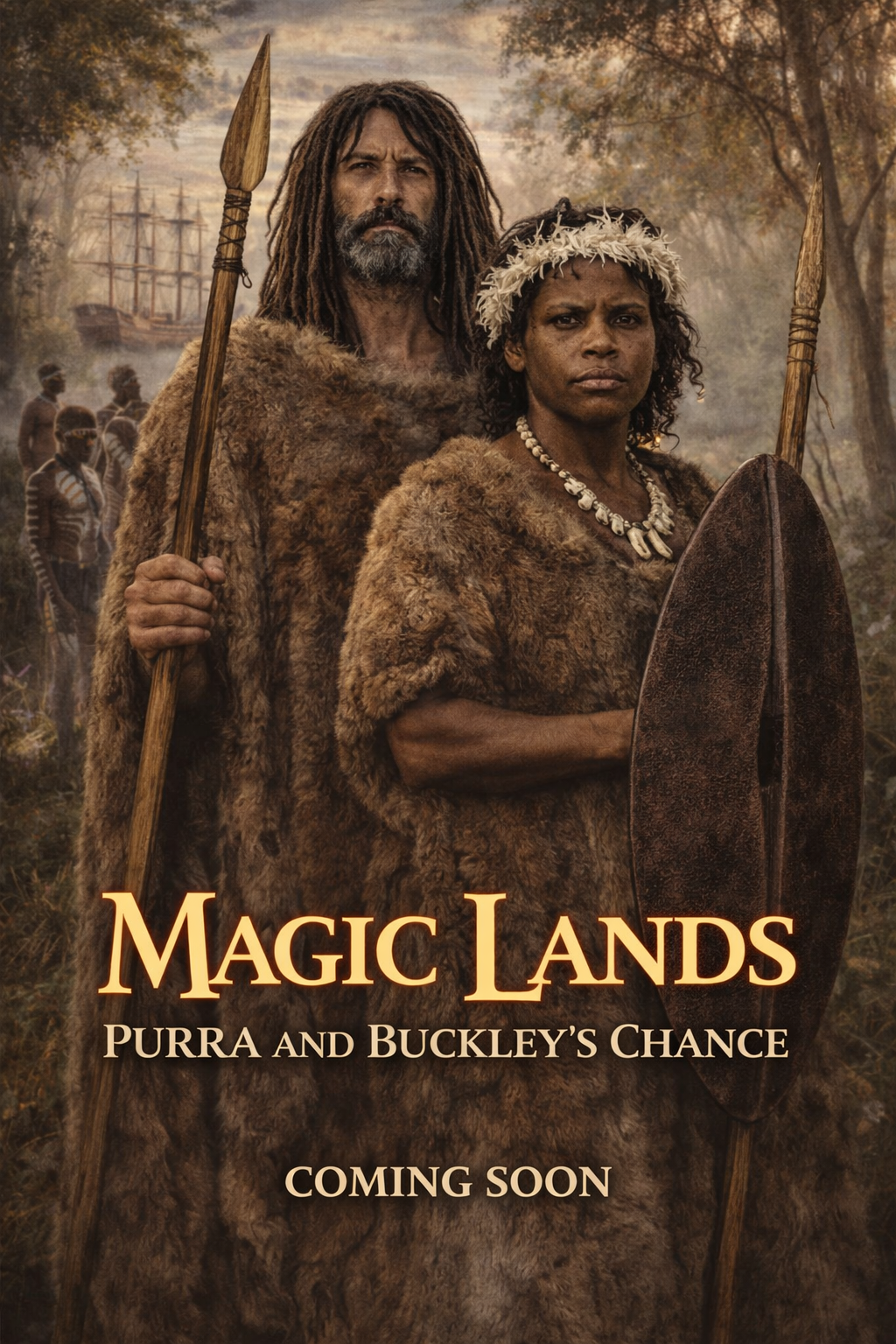
Magic Lands
Purra and Buckley’s Chance
Based on a true story from Mrs Mary Clarke, 1979, Framlingham Mission.
Genre: Period Drama, MA 15+
Scripted (Pre-Production)
Logline: An escaped convict and a Wadawurrung woman, bound by love, Lore and Sky-Spirit law, fight to survive as colonisation ignites a silent war across their Country.
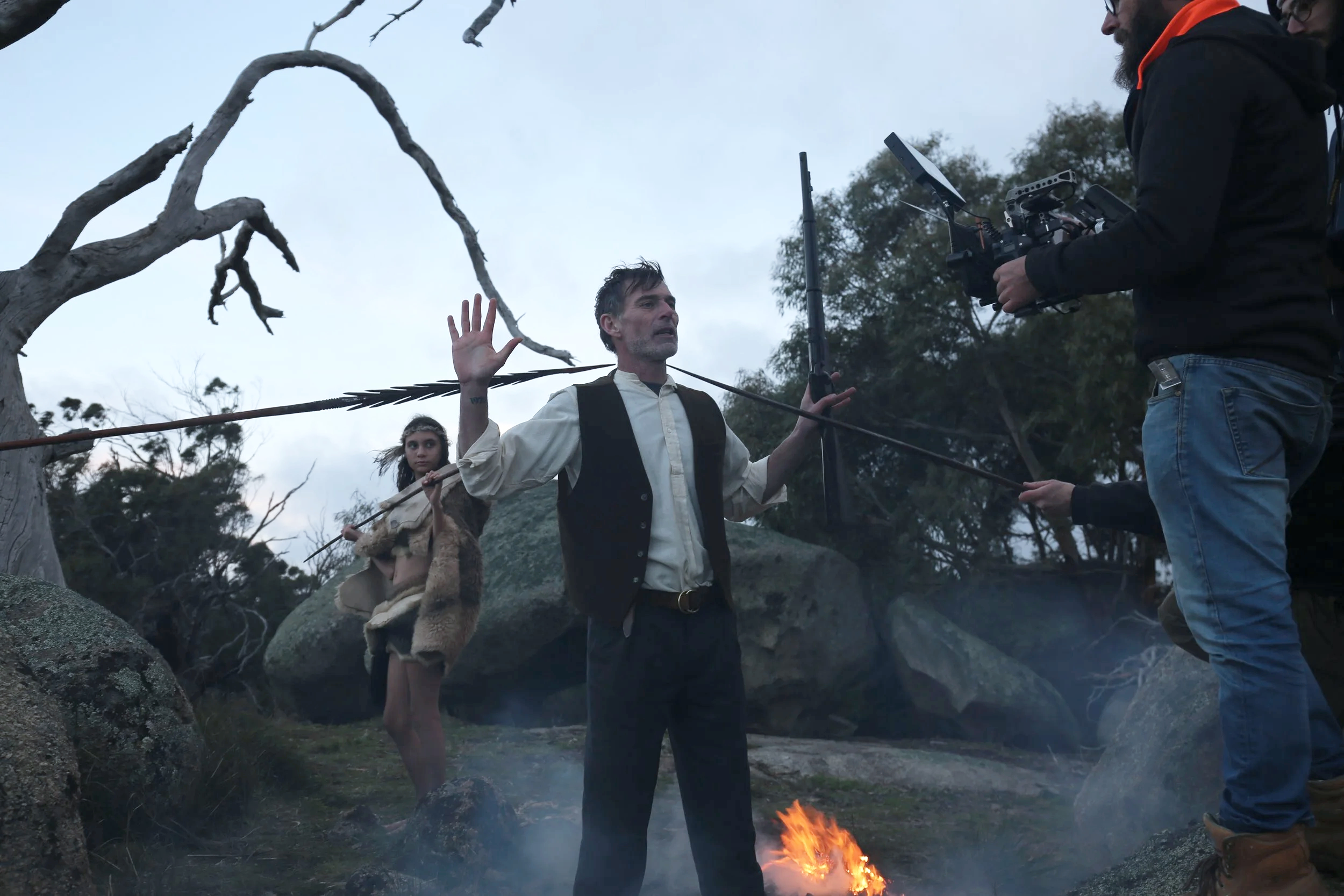
Synopsis: In the early 1800s in southern Australia, British convict William Buckley, on the run from a Crown penal colony, is discovered months later unconscious at a sacred burial ground by a Wadawurrung family. Believed to have returned from Ngarram — the Sky Realm of Ancestors — he is taken in and accepted as family.
For decades, Buckley lives within Wadawurrung lore, learning language, seasonal cycles, and a deep spiritual connection to the land and its animals. He later meets Purra, a young woman fleeing an arranged marriage, whose defiance and spirit unsettle both custom and fate. Their bond grows in secrecy, crossing boundaries neither fully understands.
In 1835, Buckley’s past returns as settlers arrive claiming land, and Purra’s family reclaim her in accordance with lore and in preparation for what is coming.
As invasion spreads across Kulin Country and the settlements of Melbourne and Geelong are established, Buckley and Purra are torn between worlds, each fighting to survive as a silent war unfolds across the frontier.
Historical and Cultural Significance
Developed since 2016 through archival research, oral histories, and collaboration with First Nations communities across Victoria and Tasmania, the film presents early nineteenth-century southern Australia through both Indigenous and settler perspectives.
With cultural authority and consent, the project seeks to portray this era with authenticity while contributing to a deeper understanding of Australia’s shared history.
Strategic Overview
Magic Lands: Purra and Buckley’s Chance is designed not only as a feature film, but as a foundation for long-term cultural infrastructure, Indigenous-led tourism, and education on Country.
Screen production operates as the financing and activation mechanism for these enduring cultural assets.
Project Deliverables
• Built cultural environments retained for community, educational, and partner use
• Indigenous-led heritage tourism sites and interpretive landscapes
• Curriculum-aligned learning resources from early childhood to tertiary level
• Employment, training, and enterprise pathways extending beyond production
Impact & Legacy
Cultural
• Indigenous governance embedded across development and delivery
• Cultural authority and intellectual property retained by Traditional Owners
• Intergenerational knowledge recorded and safeguarded
Education & Social
• Accessible learning resources and On-Country programs
• Increased public understanding of history and Country
Environmental
• Land use guided by Indigenous ecological knowledge
• Site rehabilitation and long-term stewardship
Progress
• Screenplay and research development completed
• Cultural permissions and partnerships established
• Pre-production underway (financing, casting, set design with Traditional Owners)
• Production and post-production to follow
• International distribution and education licensing planned
The Opportunity
Across Victoria and Australia, demand for authentic Indigenous-led cultural experiences, truth-telling education, and ethical heritage tourism is rapidly increasing. Yet there remains a shortage of permanent, place-based cultural infrastructure capable of delivering these experiences at scale.
Magic Lands: Ngarram addresses this gap by using screen production to finance and establish enduring cultural assets, ensuring investment generates measurable and ongoing community benefit, rather than temporary outputs.
Contributions, Sponsors, Philanthropic Investment
This project offers a rare opportunity to support a landmark Australian story that unites film, education, and cultural development.
Partners and sponsors will be recognised through international distribution, education licensing, and on-Country community outcomes — creating a legacy that delivers social, educational, and economic return.
Why Now?
• Growing national focus on truth-telling and First Peoples’ history
• Expanding demand for Indigenous-led education and cultural tourism
• Infrastructure investment today delivers long-term generational impact
• A unique convergence of screen, culture, community, land, and legacy
Magic Lands is not simply a film — it is a cultural infrastructure initiative designed to strengthen shared understanding and respectful coexistence on Country.

Ngarram: Meaning and Cultural Background
Across south-eastern Australia, the sky is understood as a living realm of creation, ancestral presence, and law. Among several Indigenous nations and language groups, Ngarram (with related variants such as Ngarrang, Ngarran, Ngarram-djarr) refers to the Sky Realm or Sky Spirit — the domain that sustains cosmic balance, moral order, weather, seasons, and the cycles of life.
This understanding aligns with the cosmologies of the Wadawurrung and the broader Kulin Nations, in which:
• Bunjil (the wedge-tailed eagle) is the creator, law-giver, and protector of balance, dwelling in the Sky Realm.
• Waa (the crow) is the messenger and cultural guide, moving between sky and earth.
Both operate within Ngarram, the higher realm that holds Law, Spirit, Order, and the living rhythms of Country.
Ngarram is not mythology — it is a living knowledge system, connecting Land, Sky, Law, Spirit, and People through ceremony, observation, and oral tradition.

Buckleys pamphlet, Hobart 1852.

Melbourne’s naming, 1837.
Main and Supporting Characters
Casting: 2026
William Buckley (1780–1856)
Escaped British convict who lived with the Wadawurrung People for over 30 years. Later served as interpreter between Wadawurrung leaders and early settlers during the establishment of Geelong and Melbourne. His life bridged two worlds.
Purra (Purranmurnin Tallawurnin) (1803–1869)
Wadawurrung woman of the Buninyong region near Ballarat. Remembered as a resistance figure, musician and healer. Her story is referenced in mission-era journals, including records associated with Framlingham.
Fanny (Dates Unknown)
Daughter of William Buckley and Purra. Recorded in historical accounts, including Untold Stories (Jan Pritchard). Portrayed as a Wadawurrung woman connected to resistance and survival during early settlement.
John Pascoe Fawkner (1792–1869)
Early Melbourne settler, publican, businessman and politician. A prominent colonial figure during the formation of Melbourne.
Henry Batman (1803–1839)
Brother of John Batman. Served in early colonial administration roles, including policing and land management during the expansion of settlement.
John Batman (1801–1839)
Grazier and entrepreneur from Van Diemen’s Land. Key figure in the Port Phillip Association and the attempted treaty with Wurundjeri Elders prior to formal British colonial governance.
Caroline Newcomb (1812–1874)
Governess to the Batman children. Later managed a large pastoral property near Geelong. Known for her relationship with Anne Drysdale and her role in early colonial society.
Nannymoon (Dates Unknown)
Wadawurrung resistance figure. Portrayed as a complex character navigating loyalty, survival and shifting alliances.
Murrindanuck (1799–1840s)
Grandson of Murrangurk. A Wadawurrung resistance figure from the Monmart People. Grew up alongside Buckley after his adoption into the Wadawurrung community.
Warrora (“Pigeon”) (Dates Unknown)
Originally from Shoalhaven, New South Wales. Associated with John Batman’s expeditions, including involvement in events in Van Diemen’s Land and the Port Phillip region.
Elizabeth Callaghan / Batman (1802–1852)
Escaped convict and wife of John Batman. Mother of eight children. A complex figure within early colonial Melbourne society.
Indigenous Communities and Languages Represented
Victoria / Australia:
Wadawurrung (Wathaurong), Eastern Maar, Wurundjeri Woi Wurrung, Boon Wurrung, Gunditjmara, Yorta Yorta, Dja Dja Wurrung, and Taungurung.
Language & Dialect Representation:
English accents reflecting British, Scottish, Irish and broader European origins.
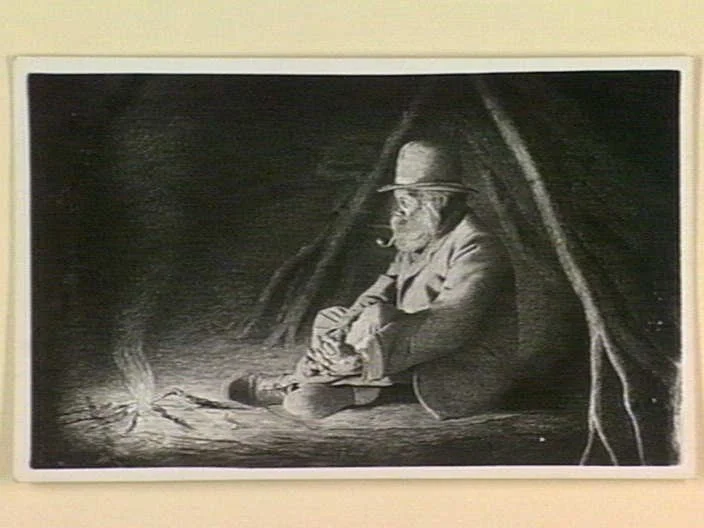
Wilmot Abraham, Buckley and Purra’s Grandson, Postcard, Warrnambool, 1910

Uncle Gavin Couzens Painting

Art Direction of Fanny, Buckley and Purra’s daughter.

White Settlers arriving in 1835 for the land grab.

The Calcutta Ship, 1803. Convicts arriving, Story Board