

Examples of Articles
Intellectual Property and Indigenous Cultural and Intellectual Property (ICIP): History, Definitions, and Global Perspectives
MLA Educational Series — Law, Culture, and Custodianship
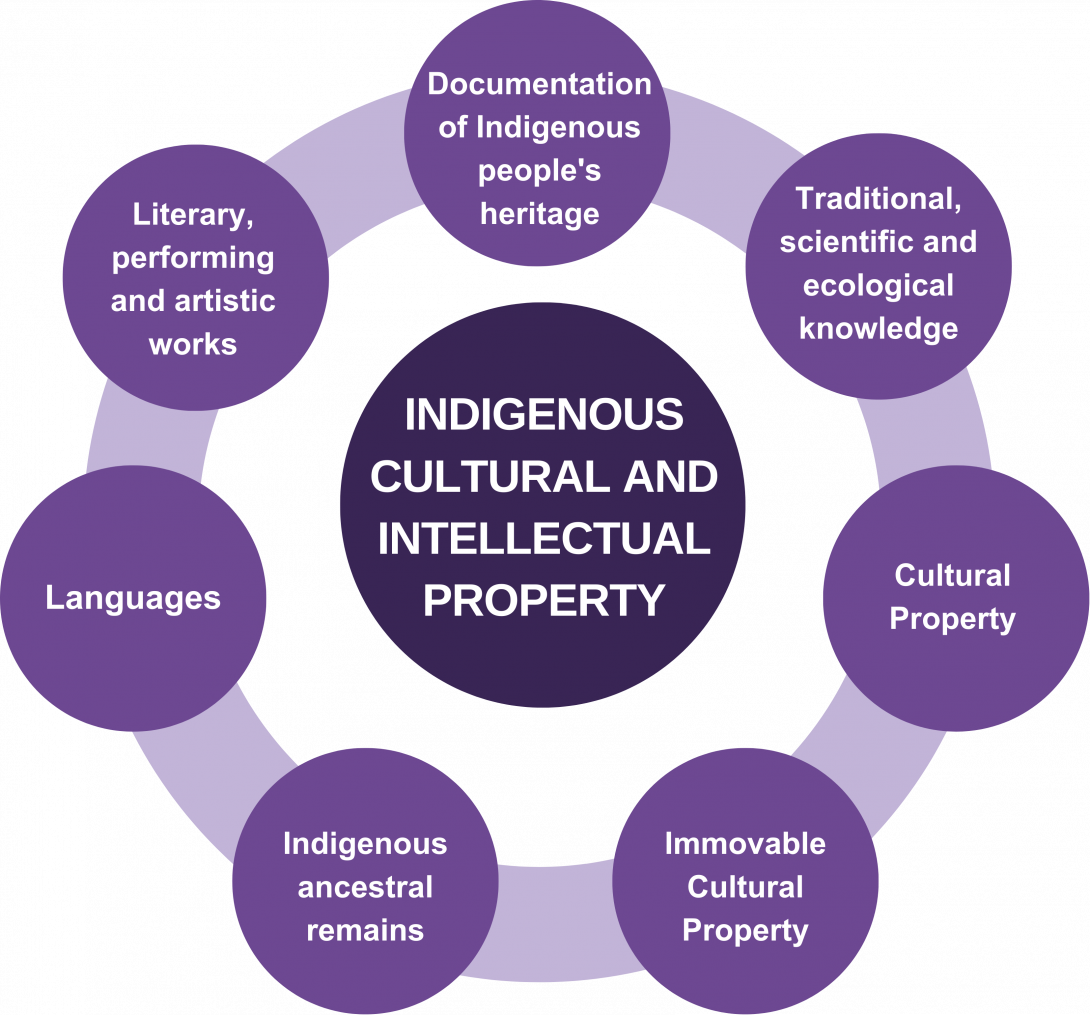
The concept of Intellectual Property (IP) is central to modern law, business, and creative practice. IP refers to the legal rights that protect creations of the mind — inventions, artistic works, designs, and cultural expressions. For Indigenous peoples worldwide, including communities in Victoria, the concept of IP extends far beyond Western law. Indigenous Cultural and Intellectual Property (ICIP) encompasses traditional knowledge, languages, ancestral stories, ceremonial expressions, and ecological knowledge systems. Unlike Western IP, which focuses on individual authorship and fixed terms, ICIP reflects communal custodianship, intergenerational continuity, and spiritual responsibility (Janke 1998; Broome 2005). Protecting ICIP ensures recognition of story, culture, and Country, while safeguarding against cultural exploitation and misappropriation.
The History and Definition of Intellectual Property
Western IP Systems
Modern IP systems developed in Europe from the 15th century, linked to the rise of printing and industrialisation. IP was divided into categories — copyright, patents, trademarks, and design rights — each protecting specific types of creative or commercial output (WIPO 2022). These systems were grounded in ideas of individual ownership, limited duration, and economic reward. Creativity became a commodity, with ownership tied to time-limited protection rather than collective or spiritual custodianship.
Colonial Context
During colonisation, European IP systems were imposed globally, disregarding Indigenous law and knowledge systems (Reynolds 1987; Janke 1998). Communal intellectual traditions were devalued, and sacred designs, songs, and artefacts were often taken without consent. In Victoria and across Australia, Indigenous peoples experienced widespread theft of art, oral histories, and ancestral remains under the guise of “scientific collection” and museum preservation (Clark 1995; Barwick 1998).
Indigenous Cultural and Intellectual Property (ICIP)
Definition and Framework
The term ICIP was popularised by Indigenous legal scholar Terri Janke (1998), who defined it as “the rights of Indigenous peoples to protect their cultural heritage, including traditional knowledge, cultural expressions, and ancestral materials.” ICIP includes:
Stories, songs, and oral traditions.
Languages and place names.
Ceremonies, dances, and performances.
Visual art, symbols, and designs.
Traditional ecological knowledge of plants, animals, and land.
Sacred sites and ancestral remains.
Core Principles of ICIP
Collective ownership: Culture and knowledge belong to communities, not individuals.
Perpetuity: Cultural rights do not expire over time.
Spirituality: Knowledge carries obligations to ancestors, Country, and future generations.
Free, prior, and informed consent: Any use of ICIP requires community approval.
ICIP in Victorian Indigenous Communities
Language Revival
The Wadawurrung Traditional Owners Aboriginal Corporation has led a revival of the Wadawurrung language, embedding it in schools, signage, and ceremonies. Language revitalisation exemplifies ICIP in action, as it reaffirms identity and law through ancestral speech (Broome 2005).
Repatriation of Cultural Heritage
Museums Victoria and other institutions are repatriating artefacts, ancestral remains, and ceremonial items collected during colonisation. The return of possum-skin cloaks, burial goods, and sacred objects acknowledges Indigenous rights to heritage under ICIP principles (Clark 1995; First Peoples’ Assembly of Victoria 2023).
Traditional Knowledge and Ecology
Indigenous ecological knowledge of species such as murnong (yam daisy), kangaroo grass, and eel systems is informing modern land management and sustainability. As native food industries expand, benefit-sharing agreements ensure Indigenous custodians retain agency, authorship, and equity in economic outcomes (Atkinson 2002; Pascoe 2018).
ICIP in Law: Victoria’s Treaty and Truth-Telling
The First Peoples’ Assembly of Victoria represents Indigenous communities in Treaty negotiations and has identified ICIP as central to legislative reform. Proposed frameworks aim to embed ICIP protections into Victorian law, affirming Indigenous ownership of knowledge and culture.
The Yoorrook Justice Commission — Australia’s first truth-telling body — documents how cultural theft, suppression of language, and appropriation of knowledge formed part of colonisation’s harm (Yoorrook 2025). Its interim reports call for strong ICIP protections to be included in Treaty processes, linking justice and sovereignty to cultural recognition.
Film, Dance, and Storytelling: ICIP in Practice
Film and Media
In the creative industries, ICIP principles shape ethical storytelling and collaboration.
Filmmakers working with Indigenous stories must:
Obtain consent from Traditional Owners.
Share profits, credits, and cultural authority.
Respect restrictions around sacred or gender-specific knowledge.
An early example is The Message Stick (1990s), which incorporated cultural narratives under direct Elder supervision, ensuring authenticity and control (Janke 1998).
Dance and Performance
Victorian corroboree performances and festivals often include traditional songs and dances guided by ICIP principles. Bangarra Dance Theatre, at a national level, models ethical cultural production — ensuring community involvement, joint authorship, and the return of creative control to Indigenous custodians (Barwick 1998).
Story and Oral Traditions
When Dreaming stories such as those of Bunjil the Eagle or Budj Bim are represented in books, films, or art, ICIP ensures communities maintain authority and authorship. This protects cultural integrity while enabling respectful storytelling and education.
ICIP in Broader Australia and International Contexts
National Examples
Arnhem Land (Yidaki/Didgeridoo): Custodians regulate ceremonial use and restrict inappropriate reproduction.
Central Desert: Sand drawings and body designs are safeguarded through ICIP protocols.
Fake Art Harms Culture Campaign (2016–18): National advocacy to prevent misuse of Indigenous motifs in commercial souvenirs (Janke 2019).
International Parallels
Māori (Aotearoa/New Zealand): The haka “Ka Mate” is protected under Treaty of Waitangi obligations.
First Nations (Canada): Totem poles, songs, and regalia are recognised as collective property.
Sámi (Scandinavia): Traditional clothing (gákti) and joik (sung stories) are under cultural IP frameworks.
Native American Nations (USA): Cases of biopiracy — such as the patenting of maize, tobacco, or medicinal plants — have driven legal campaigns for ICIP reform (WIPO 2022).
Benefits of ICIP Recognition
Cultural Survival: Safeguards languages, stories, and traditions.
Legal and Economic Justice: Ensures communities share in royalties and benefits.
Historical Recognition: Reframes Indigenous knowledge as intellectual heritage, not folklore.
Education and Respect: Embeds ICIP principles in schools, museums, and media.
Ethical Storytelling: Fosters cultural collaboration grounded in consent and accountability.
Conclusion
The history of Intellectual Property reflects Western ideas of ownership, commerce, and time limits. In contrast, Indigenous Cultural and Intellectual Property (ICIP) expresses collective, perpetual, and spiritual rights. In Victoria, ICIP is gaining formal recognition through Treaty, truth-telling, language revival, and repatriation. Globally, Indigenous communities are asserting sovereignty over their cultural and intellectual heritage — from Māori performing arts to Sámi clothing and Native American plant knowledge. Within creative industries, ICIP provides a framework for ethical storytelling that honours Traditional Owners and preserves integrity. Recognising ICIP affirms that Indigenous culture is living knowledge — a continuing source of identity, justice, and renewal.
Reference List
Atkinson, W. (2002). Not One Iota: The Yorta Yorta Struggle for Land Justice. Melbourne: Aboriginal Studies Press.
Barwick, D. (1998). Rebellion at Coranderrk: The Story of an Australian Aboriginal Community. Canberra: Aboriginal History Monograph.
Broome, R. (2005). Aboriginal Victorians: A History Since 1800. Sydney: Allen & Unwin.
Clark, I. D. (1995). My Country of the Corner: The History of the Djadja Wurrung 1837–1901. Melbourne: Melbourne University Press.
First Peoples’ Assembly of Victoria. (2023). Treaty and Self-Determination: Discussion Papers. Melbourne: State of Victoria.
Janke, T. (1998). Our Culture, Our Future: Report on Australian Indigenous Cultural and Intellectual Property Rights. Sydney: Michael Frankel & Co.
Janke, T. (2019). True Tracks: Respecting Indigenous Knowledge and Culture. Sydney: UNSW Press.
Pascoe, B. (2018). Dark Emu: Aboriginal Australia and the Birth of Agriculture. Broome: Magabala Books.
Reynolds, H. (1987). The Law of the Land. Ringwood: Penguin.
WIPO (World Intellectual Property Organization). (2022). Intellectual Property and Genetic Resources, Traditional Knowledge and Traditional Cultural Expressions. Geneva: WIPO.
Yoorrook Justice Commission. (2025). Final Report on Truth-Telling and Colonisation in Victoria. Melbourne: State of Victoria.
Written, Researched and Directed by James Vegter (22 October 2025)
MLA
Sharing the truth of Indigenous and colonial history through film, education, land, and community.
www.magiclandsalliance.org
Copyright MLA – 2025
Magic Lands Alliance acknowledges the Traditional Owners, Custodians, and First Nations communities across Australia and internationally. We honour their enduring connection to the sky, land, waters, language, and culture. We pay respect to Elders past, present, and emerging, and to all First Peoples’ communities and language groups. This article draws only on publicly available information; many cultural practices remain the intellectual property of their respective communities