

Ancient Animals and Ecology
Introduction
As daylight fades across Victoria’s forests, wetlands, coastlines, rivers, and oceans, another world begins to awaken. Possums emerge from tree hollows, owls call through forests, bats scatter across the sky, gliders move silently through the canopy, and beneath the surface of the sea, nocturnal marine life begins to hunt, feed, glow, and migrate. For Indigenous communities across Victoria — including Wadawurrung, Wurundjeri, Gunditjmara, Gunaikurnai, and many other Nations — the night was never viewed as empty darkness. It was understood as a living part of Country filled with movement, sound, spirit, ecological knowledge, and balance (Howitt 1904; Clark 1990). Night animals became teachers of awareness, patience, silence, survival, and connection to the unseen world. Modern science now confirms that many Victorian ecosystems depend heavily upon nocturnal species for pollination, seed dispersal, pest control, nutrient cycling, and marine balance. Yet these animals remain increasingly vulnerable to habitat destruction, artificial light pollution, climate change, and ecological disruption. The night environments of Victoria therefore represent not only ecological richness, but also continuing Indigenous knowledge systems that have existed for thousands of years.
The Science of Nocturnal Life
Nocturnal animals are species primarily active during the night. Over millions of years, evolution allowed many animals to adapt to darkness in order to avoid predators, reduce heat stress, conserve energy, or improve hunting success.
Many nocturnal species developed specialised adaptations including:
enhanced night vision,
highly sensitive hearing,
echolocation,
camouflage,
silent movement,
and heightened smell or vibration detection.
Across Victoria, nocturnal ecosystems occur within forests, woodlands, grasslands, wetlands, caves, river systems, coastal dunes, estuaries, and marine environments. Although these ecosystems may appear quieter than daytime environments, they support intense biological activity after sunset. Nocturnal ecosystems also depend upon interconnected food webs linking predators, herbivores, pollinators, scavengers, fungi, insects, marine organisms, and decomposers. Owls help regulate rodent populations, bats reduce insect numbers, while possums, gliders, and flying foxes contribute to pollination and seed dispersal. In marine systems, nocturnal feeding by seals, squid, sharks, and reef fish helps maintain balance within coastal food chains.
Moon Cycles and Night Ecology
Moonlight plays a major role within nocturnal ecosystems across Victoria. The brightness of the moon influences hunting behaviour, migration patterns, feeding activity, breeding cycles, tides, and predator-prey interactions. During brighter full moon periods, some nocturnal mammals reduce movement to avoid predators, while owls and marine hunters may gain increased visibility when hunting. Coastal ecosystems are especially shaped by lunar-driven tides, which affect fish movement, feeding behaviour, penguin activity, and the migration of marine species along Victoria’s coastlines. Across Indigenous communities, moon phases were carefully observed alongside animal behaviour, tides, and seasonal change. These observations formed part of broader environmental systems connecting astronomy, ecology, weather, and Country.
Nocturnal Mammals of Victoria
Victoria supports a wide variety of nocturnal mammals that emerge at dusk and throughout the night. Possums are among the most recognisable night animals across southeastern Australia. Species including the Common Brushtail Possum, Ringtail Possum, Greater Glider, and Sugar Glider inhabit forests, urban parks, woodlands, and river corridors. Across Indigenous communities, possums were deeply connected to forests, night knowledge, and possum-skin cloak traditions used for warmth, ceremony, storytelling, and identity (Flood 2001). Gliders move silently between trees using skin membranes that allow them to glide long distances through forest canopies. Their ability to move almost invisibly through darkness became associated with spirit pathways, silence, and awareness within forest Country. Victoria is also home to more than twenty species of bats, including both microbats and flying foxes. Bats play essential ecological roles through insect control, pollination, and seed dispersal. Using echolocation, they navigate darkness through sound rather than vision, creating highly sophisticated nocturnal hunting systems. Before colonisation, Victoria also supported greater populations of nocturnal carnivorous marsupials such as Eastern Quolls, which hunted rodents, reptiles, insects, and smaller mammals within forest ecosystems.
Insects, Frogs, and the Hidden Foundations of the Night
Although larger animals often dominate human attention, insects and amphibians form the foundation of many nocturnal ecosystems across Victoria. Moths, beetles, crickets, mosquitoes, and other nocturnal insects provide critical food sources for bats, frogs, birds, reptiles, and small mammals. Many night-blooming plants also rely on moths and insects for pollination after sunset. Frogs become especially active at night around wetlands, creeks, floodplains, and marshes. Their calls following rainfall are among the most distinctive sounds of Victorian night environments and act as important indicators of water health and ecosystem condition.
Across Indigenous ecological knowledge systems, frog calls, insect movement, and wetland soundscapes were closely observed to understand:
rainfall patterns,
seasonal change,
breeding cycles,
and the health of waterways and wetlands.
Nocturnal Birds of Victoria
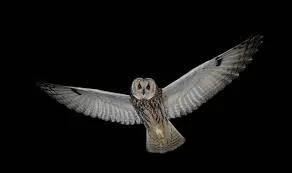
Victoria’s night birds carry both ecological and cultural significance across many Indigenous traditions. Owls are among the most spiritually significant nocturnal birds within southeastern Australia. Species including the Powerful Owl, Southern Boobook, Barking Owl, and Masked Owl inhabit forests, woodland, wetlands, and river corridors across the state. Their calls were often interpreted as signs connected to ancestral presence, warning, spiritual awareness, and environmental change (Howitt 1904).
Across Indigenous communities, owls were associated with:
vigilance and observation,
protection of sacred places,
spirit communication,
and the balance between seen and unseen worlds.
Tawny Frogmouths, although commonly mistaken for owls, belong to a separate bird family. Their camouflage and stillness became associated with patience, concealment, and environmental awareness within forest ecosystems. Nightjars and Owlet-nightjars also emerge after sunset to hunt insects across woodland and open Country. Their soft calls and silent movement contribute to the distinctive soundscape of Victoria’s night environments.
Sea Life That Comes Alive at Night
Victoria’s marine environments also transform after dark. Beneath coastal waters, estuaries, reefs, kelp forests, and the Southern Ocean, many species become increasingly active during the night. Australian Fur Seals often hunt more actively after sunset, feeding on fish, squid, and cephalopods around Bass Strait and rocky coastal reefs. Squid and octopus also emerge more frequently at night, using camouflage, colour change, and stealth to hunt prey within reefs and seagrass systems. At certain times of the year, Victorian beaches and coastal waters glow blue through the presence of bioluminescent plankton. These microscopic organisms produce natural light through chemical reactions triggered by wave movement and ocean disturbance. Many reef fish, rays, and shark species also increase activity during darkness when hunting conditions improve and daytime predators become less active. Some sharks use electroreception to detect prey hidden beneath sand or within dark waters. Tiny plankton and marine organisms also undertake large nightly vertical migrations through ocean waters, rising closer to the surface under darkness to feed before descending again at dawn. These migrations form one of the largest daily animal movements on Earth and help regulate marine food webs. Little Penguins, particularly along Phillip Island and Victoria’s southern coastline, commonly return to shore after dark following feeding trips at sea. Their nighttime movement formed part of broader Indigenous coastal observation systems connected to tides, moon cycles, and marine behaviour.
Night Animals in Indigenous Culture
Across Indigenous communities, the night was deeply connected to astronomy, spirit, ceremony, storytelling, and environmental knowledge. Darkness was not viewed simply as the absence of light, but as another living dimension of Country requiring respect, listening, and awareness.
Night animals often became associated with:
ancestral communication,
transformation,
silence and observation,
protection,
and movement between physical and spiritual worlds.
Owls, possums, gliders, bats, frogs, and marine animals appear throughout oral traditions teaching respect for balance, patience, and environmental awareness.
Indigenous communities closely observed:
animal calls,
migration patterns,
breeding behaviour,
tides,
moon phases,
and seasonal movement
to understand ecological change and maintain sustainable relationships with Country.
The night sky itself formed part of these systems, linking stars, weather, waterways, animals, and ceremony together.
Indigenous Names and Language of Night Animals
Night animals appear throughout the languages and oral traditions of Indigenous communities across Victoria and Australia. Animal names often reflected movement, sound, habitat, spirit, and ecological role rather than purely physical appearance (Blake 1991; Clark 1990).
Across Wadawurrung and broader Kulin Nation traditions:
owls were associated with vigilance and spirit awareness,
possums with forests and nocturnal movement,
bats with sky pathways and insect cycles,
frogs with wetlands and rainfall,
and marine animals with tides, moonlight, and Sea Country.
Many Indigenous naming systems described animals relationally — according to how they behaved within Country and seasonal systems rather than through rigid scientific classification. Because Australia contains more than 250 Indigenous language groups, there is no singular Indigenous naming system for nocturnal animals. Each Nation maintained distinct ecological, spiritual, and linguistic relationships with species inhabiting the night.
Night Ecosystems on Wadawurrung Country
Across Wadawurrung Country, night ecosystems historically supported rich biodiversity across forests, wetlands, volcanic plains, rivers, coastal systems, and marine environments.
After sunset:
possums and gliders moved through eucalyptus forests,
owls hunted across grasslands and woodland,
bats fed above rivers and wetlands,
frogs called through marshlands,
and marine life became active along the Bellarine coastline and Bass Strait waters.
These night environments were carefully observed through Indigenous ecological systems connecting moon cycles, tides, weather, stars, seasonal movement, and animal behaviour.\ The sounds of frogs, insects, birds, mammals, wind, and moving water formed part of the living soundscape of nighttime Country.
Colonisation and the Disruption of Night Environments
European colonisation dramatically altered Victoria’s nocturnal ecosystems. Large-scale clearing of forests and wetlands destroyed habitat for many nocturnal species, while introduced predators such as foxes and feral cats caused severe declines among small mammals, ground birds, reptiles, and amphibians. Artificial lighting also transformed night environments across Victoria. Light pollution disrupts feeding, migration, reproduction, and navigation patterns for many species including bats, seabirds, insects, penguins, and marine life. Insects are particularly affected by artificial light, which alters pollination systems and contributes to broader ecological imbalance. The suppression of Indigenous cultural burning further altered forest and grassland systems that nocturnal animals had depended upon for thousands of years. Cool cultural burns once created diverse habitat mosaics supporting insects, mammals, reptiles, and birds within healthy nighttime ecosystems. As a result, many species once abundant across Victoria became regionally threatened or experienced major population decline.
Science and Conservation
Modern ecology recognises nocturnal animals as essential components of healthy ecosystems. Night species contribute to insect population control, pollination, seed dispersal, marine nutrient cycling, decomposition processes, and ecological balance.
Fungi and decomposers also play major roles within nighttime environments, breaking down organic material and recycling nutrients through forests and soils. Many nocturnal scavengers and microorganisms become most active after dark, helping sustain ecosystem regeneration.
Conservation programs across Victoria increasingly focus on:
protecting old-growth forests,
restoring wetlands and waterways,
reducing artificial light pollution,
protecting marine habitats,
supporting frog and insect populations,
and strengthening Indigenous-led Caring for Country initiatives.
Combining Traditional Ecological Knowledge with wildlife science is increasingly recognised as essential for understanding long-term ecological balance and biodiversity conservation.
Climate Change and Night Ecology
Climate change is increasingly altering nocturnal ecosystems across Victoria. Warmer nighttime temperatures affect breeding cycles, insect populations, frog activity, migration timing, and marine behaviour. Extended droughts, bushfires, and changing rainfall patterns are reshaping wetlands, forests, grasslands, and coastal systems that nocturnal animals rely upon. Marine heatwaves and ocean warming also influence plankton movement, fish migration, and feeding behaviour within nighttime marine ecosystems. Because many nocturnal species rely upon highly specific environmental conditions, they are often particularly sensitive to ecological disruption.
Symbolism and Meaning
Night animals carry layered meanings across Indigenous culture, ecology, and broader human imagination. Owls often symbolise wisdom, spirit, and vigilance, while possums and gliders represent adaptation, forest knowledge, and survival. Bats became associated with unseen movement and navigation through darkness, while marine night life reflects mystery, tides, and transformation. Across many Indigenous traditions, darkness itself was not feared, but respected as part of the balance of life. The night taught patience, listening, awareness, and coexistence with the unseen rhythms of Country.
Conclusion
The night animals of Victoria reveal a hidden world of ecology, movement, sound, spirit, and environmental balance that continues long after daylight fades. Across forests, wetlands, rivers, oceans, reefs, and volcanic plains, nocturnal mammals, birds, insects, frogs, fungi, and marine life maintain ecological systems essential to biodiversity and survival. For Indigenous communities, these animals also carry deep cultural meanings connected to astronomy, spirit, survival, and Country. Protecting Victoria’s night environments therefore means protecting not only biodiversity, but also the cultural knowledge systems, soundscapes, waterways, forests, skies, and oceans that have guided relationships between people and the night for thousands of years.
References
Blake, BJ 1991, Woiwurrung: The Melbourne Language of the Kulin Nation, Pacific Linguistics, Canberra.
Broome, R 2005, Aboriginal Victorians: A History Since 1800, Allen & Unwin, Sydney.
Clark, ID 1990, Aboriginal Languages and Clans: An Historical Atlas of Western and Central Victoria, 1800–1900, Monash Publications in Geography, Melbourne.
Flood, J 2001, The Original Australians: Story of the Aboriginal People, Allen & Unwin, Sydney.
Howitt, AW 1904, The Native Tribes of South-East Australia, Macmillan, London.
Marchant, S & Higgins, PJ (eds) 1993, Handbook of Australian, New Zealand and Antarctic Birds, Oxford University Press, Melbourne.
Morphy, H 1991, Ancestral Connections: Art and an Aboriginal System of Knowledge, University of Chicago Press, Chicago.
Rolls, EC 1969, They All Ran Wild: The Animals and Plants that Plague Australia, Angus & Robertson, Sydney.
Strahan, R 1995, The Mammals of Australia, Reed Books, Sydney.
Written, Researched and Directed by James Vegter (16 September 2025)
MLA Educational Articles
Sharing the truth of Indigenous and colonial history through film, education, land, and community.
www.magiclandsalliance.org
Copyright MLA – 2025
Magic Lands Alliance acknowledges the Traditional Owners, Custodians, and First Nations communities across Australia and internationally. We honour their enduring connection to the sky, land, waters, language, and culture. We pay respect to Elders past, present, and emerging, and to all First Peoples’ communities and language groups. This article draws only on publicly available information; many cultural practices remain the intellectual property of their respective communities.