

Native Animals History and Science
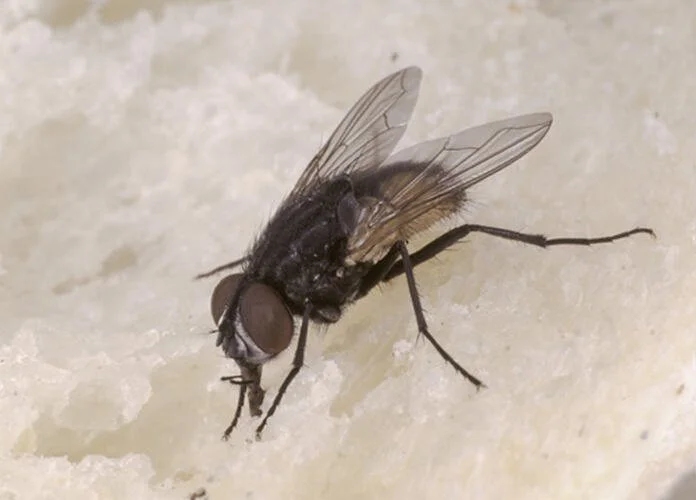
Messengers of Season and Renewal in the Country
Across the plains, wetlands, and coasts of Victoria, the hum of flies — small, persistent, and ancient — has long signalled change and renewal. For Wadawurrung, Wurundjeri, Dja Dja Wurrung, Taungurung, Gunditjmara, Boon Wurrung, and other Kulin Nations, flies were far more than summer pests — they were seasonal messengers, cleaners of Country, and indicators of balance between life, death, and the elements.
Their sudden abundance announced heat, ripening, and energy, while their absence marked the approach of cold and rest. In traditional ecological knowledge, every insect had a purpose; flies taught when to burn, when to plant, when to fish, and when to pause.
Modern science now affirms what Indigenous people long knew: flies are among nature’s most important recyclers and pollinators — the breath and heartbeat of renewal (Clarke 2009; Gott 2019; RBGV 2023).
Flies in Indigenous Seasonal Knowledge
The Kulin seasonal calendar divided the year into six main cycles, guided not by months but by ecological signs — such as flowerings, winds, migrations, and insect activity.
Flies were among the clearest seasonal indicators:
When bushflies and blowflies filled the air, it meant heat and growth — time for ripening fruits and active hunting.
When the first flies gathered on riverbanks, it meant the eel migrations had begun, and water levels were steady.
When flies disappeared into bark and ground hollows, the cold winds of Waring (winter) were near.
Their presence and disappearance were part of a larger symphony of cues that tied human life to the rhythms of the earth (Atkinson 2002; Clarke 2009).
Wadawurrung Country: Reading the Signs in Air and Light
On Wadawurrung Country, stretching from the volcanic plains near Ballarat to the wetlands and coastlines of Breamlea and Barwon Heads, flies were understood as the breath of Country — a sign that the land was alive and producing energy.
When the air was filled with small, glinting bushflies, it meant that the yams were flowering, fish were fattening, and the coastal winds were warm enough to travel. When they grew quiet, frost was coming, and it was time to stay close to camp.
Elders taught that flies followed the spirit of heat — when warmth retreated into the ground, so too did the flies. They hid beneath bark, inside soil, or in the hollows of logs through winter, resting until the Wattle season (Poorneet) signalled their return (Atkinson 2002; Museums Victoria 2023).
Flies as Healers and Keepers of Balance
Flies also played an unseen role in cleansing and renewal.
Their larvae decomposed plant and animal matter, returning nutrients to the soil — an act both spiritual and scientific, embodying the cycle of decay and rebirth.
To the Kulin Nations, nothing on Country was wasted. The flies’ work ensured that death nourished life. In ceremonies of mourning, the hum of flies around smoke and burial sites was not always a curse — sometimes, it was seen as the spirit of renewal beginning its work.
This deep ecological awareness aligns with modern entomology, which demonstrates that flies play a crucial role in nutrient cycling, pollination, and soil health — thereby ensuring that the web of life remains intact (Gott 2019; RBGV 2023).
March Flies: The Wind-Born Harbingers of Heat
Among all flies, few have such a distinctive place in both ecology and story as the March Fly (Tabanidae family). Known across Victoria’s wetlands and coasts for their persistence and sharp bite, March flies were seasonal markers — heralds of high summer, signalling when the air had grown heavy with heat and humidity.
Ecological Role
March flies appear mainly from late December through March, emerging from damp soils, river flats, and wetlands.
While the females feed on blood (for egg development), the males pollinate flowering plants, including native wattles, eucalypts, and bush herbs. Their brief, intense season of activity coincides with the peak of energy in Country — when life hums, storms build, and the air thickens with heat.
Their larvae live in moist soils or leaf litter, feeding on decaying matter — playing a quiet role in soil renewal and water ecosystem balance (DEECA 2023).
Cultural Meaning and Observations
In Wadawurrung, Gunditjmara, and Wurundjeri Country, March flies were known as warning signs of the hot winds — when they returned, fire danger and lightning storms were near. The buzz of March flies was said to carry the sound of burning wind, reminding communities to prepare camps and manage fires carefully.
Their bite, though painful, was also a teacher — a reminder of boundaries and respect. In some stories, the March fly was a spirit messenger of correction, ensuring people paid attention to the Country’s warnings.
During ceremonies, March flies symbolised endurance: just as they persisted through heat and hardship, people too were reminded to endure and remain steady. Their short-lived season reflected the philosophy that intensity and impermanence coexist in balance (Atkinson 2002; Clarke 2009; RBGV 2023).
In the Cold Seasons
By late autumn, March flies vanished. Elders explained that they “returned to the ground to sleep,” their eggs lying hidden beneath moist soil, waiting for the next warm cycle. Modern ecology confirms this: March fly larvae overwinter in soil or under vegetation, emerging only when rising temperatures and moisture awaken them (Museums Victoria 2023).
Their seasonal rest was part of the greater pattern of dormancy and return, tying their life cycle to the same pulse that governed native plants, reptiles, and fish.
Flies and Fire: Heat, Air, and Renewal
The behaviour of flies, especially March flies and blowflies, also informed fire management. When fly activity increased sharply and the air shimmered with heat, it was a warning to cease burning and allow the land to rest.
After fire, the return of flies was a good sign — it meant the ash was fertile and moisture was returning.
Elders described how the first blowflies to land on scorched soil brought with them “the breath of life” — microscopic seeds and spores carried on their legs that helped the land heal. Science now supports this: flies disperse fungal spores and pollens that stimulate post-fire regrowth (VNPA 2021; DEECA 2023).
Spiritual Symbolism: The Breath of the Land
In the cosmology of many Kulin Nations, flies represented air made visible — the unseen motion of spirit.
Their buzzing was described as “the breath of Country talking,” and their movement between life and decay reflected the law of reciprocity: that creation and destruction feed one another.
Flies also symbolised communication — carrying scents, stories, and warnings across Country. Their presence near camps was not random; they were drawn to heat, to movement, to life — reflecting vitality and connection.
In the cool months, when the air stilled and flies withdrew, people said Country was sleeping, drawing breath before the next cycle of abundance.
Modern Science and Indigenous Wisdom
Ecologists now recognise flies as crucial to pollination networks and decomposition processes — many native orchids, daisies, and bush foods depend on them. Indigenous ecological calendars — including those of the Kulin Nations — integrate such knowledge naturally, reading flies as timekeepers and healers rather than pests.
Collaborations between Traditional Owners, Royal Botanic Gardens Victoria, and DEECA are now combining Indigenous seasonal knowledge with insect research, showing how flies track environmental change and signal climate variation long before weather data does (RBGV 2023; DEECA 2023).
Conclusion
To the Indigenous peoples of Victoria, flies — from the tiny bushfly to the bold March fly — are messengers of rhythm. They measure the heat of the air, the fertility of the soil, and the balance between decay and growth.
Their life cycles mirror our own relationship with Country: times to act, times to rest, times to renew. When they vanish into the earth for winter, they remind us that life continues beneath the surface; when they return with the heat, they bring the hum of creation itself.
Seen through Indigenous science, the humble fly is not a nuisance but a sacred worker — a living thread in the great web of regeneration that connects all beings on Country.
References
Atkinson, J 2002, Trauma Trails: Recreating Song Lines, Spinifex Press, Melbourne.
Clarke, PA 2009, Australian Aboriginal Ethnobotany: An Overview, CSIRO Publishing, Melbourne.
DEECA Victoria 2023, Invertebrate Ecology and Seasonal Change in Victoria, Department of Energy, Environment & Climate Action, Melbourne.
Gott, B 2019, The Yam Daisy: A History of Aboriginal Plant Use in Victoria, Aboriginal Studies Press, Canberra.
Museums Victoria 2023, Insects of Country: Traditional Knowledge and Ecological Roles, Museums Victoria, Melbourne.
Royal Botanic Gardens Victoria 2023, Traditional Ecological Indicators in Victorian Landscapes, RBGV, Melbourne.
UNESCO 2019, Budj Bim Cultural Landscape: Living Aquaculture Systems, World Heritage Centre, Paris.
Victorian National Parks Association (VNPA) 2021, Seasonal Ecology and Native Invertebrates of Victoria, VNPA, Melbourne.
Written, Researched and Directed by James Vegter (2025)
MLA — Magic Lands Alliance
Sharing the truth of Indigenous and colonial history through film, education, land, and community.
🌏 www.magiclandsalliance.org
Magic Lands Alliance acknowledges the Traditional Owners, Custodians, and First Nations communities across Australia and internationally. We pay respect to Elders past, present, and emerging, and honour the enduring wisdom that teaches balance, renewal, and care for all living things — even the smallest that hum in the summer wind.