

Native Plants, Foods and Medicinal Elements
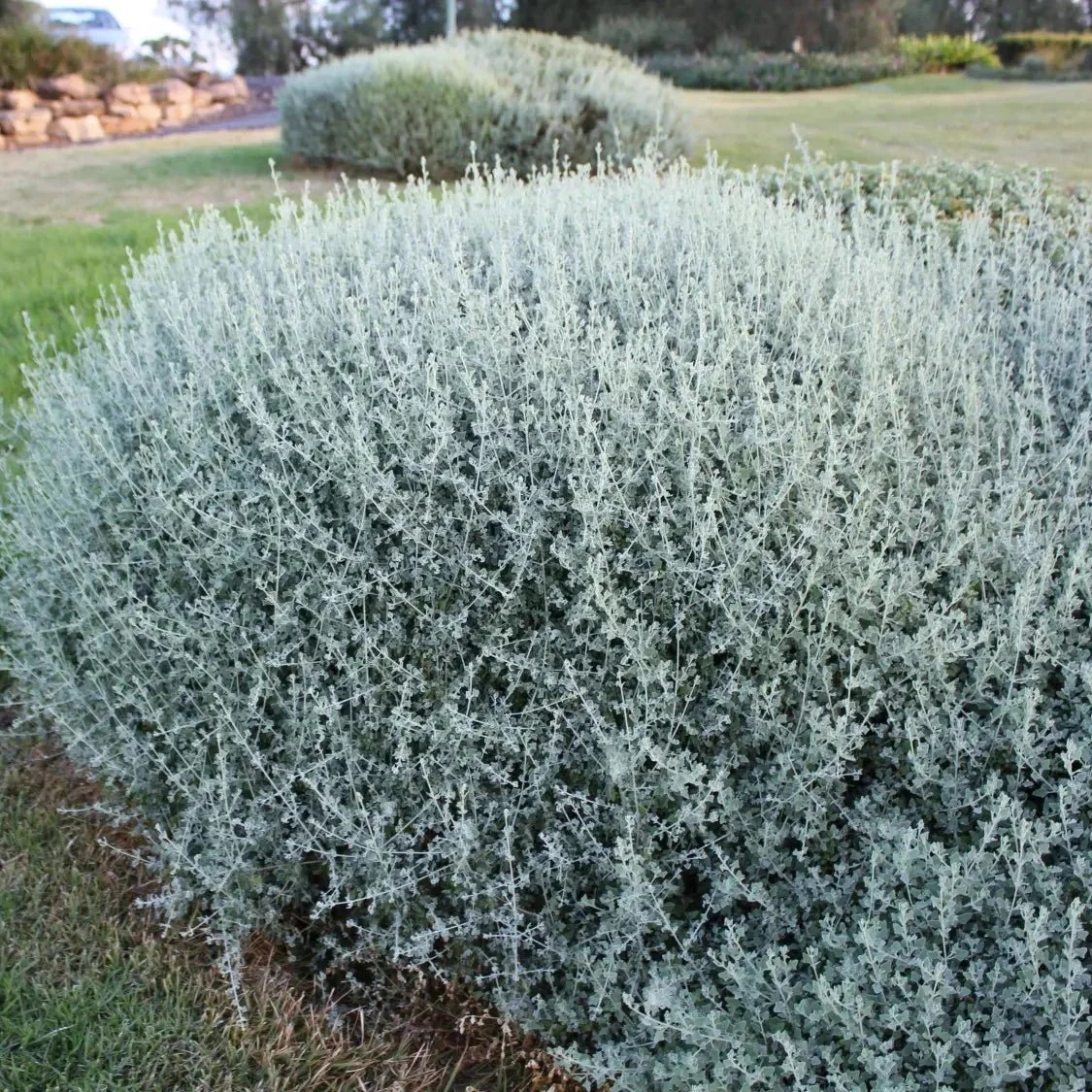
The Grey-Green Healer of Dry Country
MLA Educational Articles: Country, Native Plants and Survival
Across Victoria’s plains, coasts, and inland salt flats, a resilient grey-green plant has quietly sustained ecosystems and people for tens of thousands of years — the Saltbush (Atriplex spp.). Its silvery leaves shimmer under the sun, thriving where few others can: in saline soils, drought, and wind.
For Indigenous peoples of Victoria — including the Wadawurrung, Dja Dja Wurrung, Wurundjeri, Gunditjmara, and Boon Wurrung — Saltbush was far more than a hardy shrub. It was a food, medicine, and environmental teacher, a plant that showed where balance could be found in harsh conditions. Its salty, nourishing leaves and seeds offered sustenance during dry seasons, while its presence signalled fertile, mineral-rich ground and ecological recovery after flood or fire (Gott 2019; DEECA 2023).
Modern ecology and nutrition science now affirm what Traditional Owners have long known: Saltbush is a keystone species vital to soil health, wildlife, and climate resilience — and a valuable, protein-rich bushfood rediscovered in sustainable agriculture today (CSIRO 2020; RBGV 2023).
Botany and Ecology of Saltbush
Saltbush belongs to the Chenopodiaceae (now classified within Amaranthaceae) family, with over 60 native species across Australia, including more than a dozen common to Victoria (RBGV 2023). The most widespread include:
Old Man Saltbush (Atriplex nummularia), a large shrub of inland plains and dry riverbeds;
Coastal Saltbush (Atriplex cinerea), found along dunes and estuaries, stabilising sand and resisting salt spray;
Creeping Saltbush (Atriplex semibaccata), a low groundcover valued for soil restoration and erosion control; and
Bladder Saltbush (Atriplex vesicaria), a saline-flat specialist with bubble-like leaf bladders that store salt.
Ecologically, Saltbush filters excess salt from the soil, sequesters carbon, and prevents erosion by binding loose sand. Its deep roots stabilise fragile landscapes, while its nutrient-rich leaves provide year-round food for kangaroos, wallabies, wombats, and grazing birds such as emus (VNPA 2022; CSIRO 2020).
In Indigenous ecological knowledge, Saltbush signifies healing and endurance. Its regrowth after burning or drought marks the land’s renewal — a signal that Country is recovering its strength and balance (DEECA 2023; Clarke 2009).
Saltbush in Indigenous Food Systems
Food and Nutrition
Indigenous communities across Victoria harvested young Saltbush leaves, flowers, and seeds as essential bushfoods, integrating them into seasonal diets.
The leaves, lightly salted by nature, were eaten raw, steamed on hot stones, or wrapped around meats and roots to impart flavour and retain moisture. Their natural salt content helped maintain electrolyte and mineral balance during hot summer months. Nutritional studies show that Saltbush leaves are rich in protein (up to 20%), iron, and antioxidants, offering essential nutrients in arid environments (CSIRO 2020; Kellerman et al. 2005).
The seeds were ground into flour, then mixed with water or other seeds to make cakes and pastes cooked in hot ashes — a sustaining, high-energy food used for travel or long hunts.
In Wadawurrung Country, along the Barwon River plains and Bellarine Peninsula, Saltbush often grew near yam daisy (murnong) patches, indicating healthy soil. Elders taught that “where Saltbush grows, Country is strong again,” a reminder of regeneration after overuse, fire, or grazing (Wathaurung Aboriginal Corporation 2021).
Medicinal and Healing Uses
Saltbush also served as a medicinal and purifying plant across Victorian Indigenous communities.
Infusions made from its leaves and roots were used to wash wounds, soothe insect bites, and relieve skin irritation, drawing on its antibacterial and anti-inflammatory compounds. The mineral-rich sap could be applied as a mild antiseptic wash, especially in coastal regions such as Boon Wurrung Country (Clarke 2009; RBGV 2023).
The smoke of burning Saltbush leaves played a role in spiritual and physical cleansing ceremonies — used after illness or during initiation to draw out impurities from body and spirit. In Dja Dja Wurrung and Taungurung traditions, Saltbush smoke carried calming, protective properties and was sometimes used to soothe infants or purify camp spaces after sickness (Atkinson 2002; Clarke 2009).
These practices reflect a sophisticated ethnopharmacology in which medicine, ceremony, and ecology are intertwined — a knowledge system validated by modern plant biochemistry showing that Saltbush contains antiseptic terpenoids and mineral oxides that promote healing (Kellerman et al. 2005; CSIRO 2020).
Cultural Meanings and Stories
Saltbush is a symbol of endurance, humility, and renewal. Its muted grey-green tone and deep roots make it a metaphor for quiet strength — thriving not through dominance but through adaptation.
In Wadawurrung lore, Saltbush was said to grow where the Sea Woman’s tears fell, marking places of emotional healing where “the salt of sorrow became medicine.” On Gunditjmara Country, it flourished near eel traps and basalt stone channels, symbolising balance between freshwater and saltwater — an ecological and spiritual harmony central to Country (UNESCO 2019; Gott 2019).
Many Victorian communities recognised Saltbush as a “boundary plant”, found where worlds meet — salt and soil, sea and plain, life and death. It served as a living reminder that balance and strength often exist in liminal spaces — the thresholds of transformation and renewal.
Scientific and Nutritional Insights
Modern science supports the traditional medicinal and ecological understanding of Saltbush. It contains betaines, saponins, flavonoids, and antioxidants that protect plant and human cells from salt and oxidative stress (CSIRO 2020). Its leaves are rich in magnesium, potassium, and calcium, minerals essential for hydration and muscle function. The plant’s high-protein and fibre content aids digestion and supports sustained energy.
Saltbush’s unique ability to draw salt from the soil and store it in leaf bladders makes it a natural bioindicator of soil salinity, and it is now widely used in land rehabilitation and carbon farming projects (VNPA 2022; DEECA 2023).
Indigenous fire management practices historically promoted its regrowth after controlled burns, stabilising post-fire landscapes and preventing erosion — a principle now mirrored in contemporary ecological restoration (Clarke 2009; DEECA 2023).
In this way, both Indigenous and Western sciences converge: Saltbush operates as a living model of ecosystem healing, integrating soil chemistry, botany, and spirituality.
Saltbush in Contemporary Revivals
Today, Saltbush plays an important role in the revival of Indigenous food systems and ecological management.
Across Victoria, Indigenous land rangers and environmental organisations are replanting Saltbush to restore degraded coasts and overgrazed plains. Its inclusion in revegetation and carbon-sequestration projects helps rebuild biodiversity and soil stability (DEECA 2023).
Culinary movements have also embraced Saltbush as a native herb — its crisp, salty flavour enhancing breads, meats, and sauces in Indigenous-led and sustainable restaurants. Programs at the Royal Botanic Gardens Victoria and Wadawurrung Traditional Owners Aboriginal Corporation teach about its resilience and importance in water and salt law (RBGV 2023).
The plant’s reintroduction is more than ecological — it is cultural restoration. Each new Saltbush planted reconnects communities to ancestral practices, language, and Country, reaffirming the principle that caring for land is inseparable from caring for self.
Conclusion
Saltbush is more than a hardy survivor of saline soils — it is a teacher of balance, endurance, and renewal. From the coastal dunes of Wadawurrung Country to the dry inland plains of Dja Dja Wurrung, it has nourished bodies, healed wounds, and guided ecological wisdom.
Its salt-tolerant leaves embody a truth long held in Indigenous science: survival arises not from dominance, but from harmony with Country. As climate change challenges modern agriculture, Saltbush re-emerges as a guide species, showing how life flourishes through cooperation, adaptation, and respect for natural law.
For the Indigenous peoples of Victoria, Saltbush remains a living medicine of Country — quiet, resilient, and eternally healing.
References
Atkinson, J 2002, Trauma Trails: Recreating Song Lines, Spinifex Press, Melbourne.
Clarke, PA 2009, Australian Aboriginal Ethnobotany: An Overview, CSIRO Publishing, Melbourne.
CSIRO 2020, Saltbush: Sustainable Food and Fodder for a Drying Climate, CSIRO Publishing, Canberra.
DEECA Victoria 2023, Traditional Ecological Knowledge and Salt-Tolerant Plants, Department of Energy, Environment & Climate Action, Melbourne.
Gott, B 2019, The Yam Daisy: A History of Aboriginal Plant Use in Victoria, Aboriginal Studies Press, Canberra.
Kellerman, T, et al. 2005, ‘Pharmacological potential of Australian desert plants’, Journal of Ethnopharmacology, vol. 96, pp. 171–184.
Museums Victoria 2023, Aboriginal Plant and Healing Collections, Museums Victoria, Melbourne.
Royal Botanic Gardens Victoria (RBGV) 2023, Indigenous Knowledge and the Plants of Dry Country, RBGV, Melbourne.
Victorian National Parks Association (VNPA) 2022, Restoring Saltbush Country, VNPA, Melbourne.
Wathaurung Aboriginal Corporation 2021, Wadawurrung Country Plant Knowledge, Geelong.
UNESCO 2019, Budj Bim Cultural Landscape World Heritage Listing, UNESCO, Paris.
Written, Researched and Directed by James Vegter (22 September 2025)
MLA
Sharing the truth of Indigenous and colonial history through film, education, land, and community.
www.magiclandsalliance.org
Copyright MLA – 2025
Magic Lands Alliance acknowledges the Traditional Owners, Custodians, and First Nations communities across Australia and internationally. We honour their enduring connection to the sky, land, waters, language, and culture. We pay respect to Elders past, present, and emerging, and to all First Peoples’ communities and language groups. This article draws only on publicly available information; many cultural practices remain the intellectual property of their respective communities.